
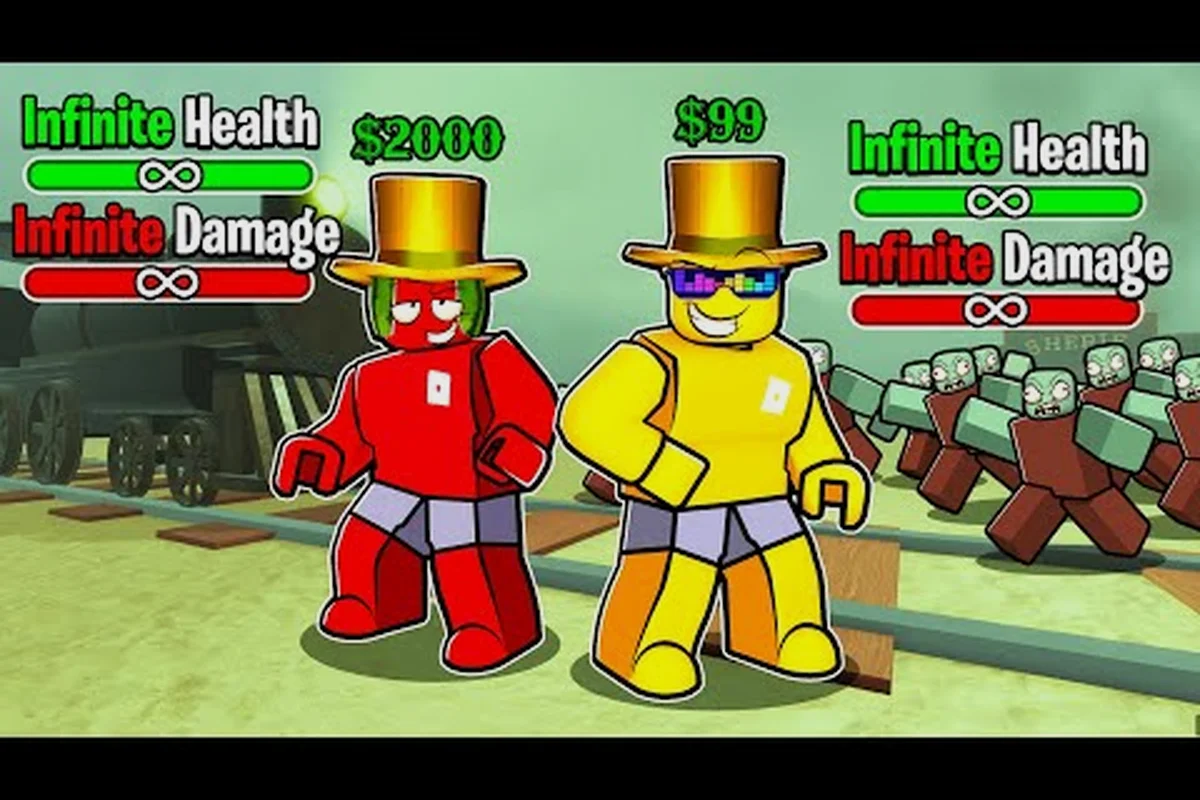
The Dead Rails Tycoon class turns money into survival power, so every purchase can improve your crew if you manage bonds well. Learn its strongest abilities, practical upgrade order, team synergies, and the situations where a different class is the better choice.
Dead Rails Tycoon Class Overview and Core Value
The Dead Rails Tycoon class specializes in generating and exploiting wealth rather than relying entirely on direct combat. That distinction matters because bonds buy weapons, armor, tools, and other consumables during a run, so a successful Tycoon can turn careful spending into a safer crew without needing every upgrade to improve personal damage.
The class is especially attractive in cooperative runs where multiple teammates can contribute to the same economy. Its value also extends into solo play, although a lone Tycoon must balance emergency defense against investments that may take longer to pay off. Understanding that balance is the central reason to choose the Dead Rails Tycoon class instead of simply selecting the nearest available character.
| Tycoon priority | Main benefit | Best purchase timing | Common mistake |
|---|---|---|---|
| Starting capital | More immediate options | Before the first major fight | Buying too many inexpensive tools |
| Weapon upgrade | Improves crew survival | When a threat appears | Delaying armor for damage alone |
| Armor investment | Reduces injury risk | Before entering danger | Equipping the wrong role to the rider |
| Utility purchase | Improves team efficiency | During a safe travel window | Saving every bond for a rare item |
| Reserve fund | Covers emergencies | Maintained throughout the run | Spending down to nothing |
The crucial distinction is between wealth generation and wealth efficiency. Tycoon does not merely collect bonds; the class turns available money into a better-equipped team. Community field notes also emphasize that classes are permanent lobby unlocks, while weapons and armor purchased with bonds vanish after the run ends. That makes spending timely rather than hoarding indefinitely.
A related choice is whether to improve the rider or the entire crew. Damage-focused classes such as the Dead Rails Hunter class provide immediate offensive value, while the Tycoon can equip allies who lack a specialized passive. The broader Dead Rails class overview can help you compare personal combat strength with team support before committing.
What the Tycoon Changes
Tycoon’s economic focus changes the rhythm of a run. Instead of waiting for a perfect weapon drop, the class can create opportunities through deliberate purchases. The value of that flexibility depends on the price of the upgrade, the danger of the current area, and how many teammates can make useful use of the result.
The class is not a free victory condition. A Tycoon who spends every bond immediately may become powerful at the wrong moment, while a cautious player who refuses all upgrades can enter a difficult fight with avoidable weaknesses. A balanced reserve preserves the ability to react when a route, enemy, or teammate creates an unexpected need.
Bond Budgeting and Wealth-Focused Abilities
Bond budgeting is the practical foundation of the Dead Rails Tycoon class. The objective is not merely to finish with the most money; it is to buy upgrades when their marginal value exceeds the cost of keeping a safety fund. Because exact prices can change between versions, the current research does not establish a universal figure for every Tycoon ability, so it is safer to plan by priority than to promise a fixed return on investment.
Community reports describe Doctor and Miner as affordable early classes at 15 bonds, while noting that class availability and prices may shift after patches. Although this does not directly establish the Tycoon’s bond cost, it demonstrates a useful budgeting principle: compare the purchase price of a class with the flexibility that its passive abilities provide. A lower upfront cost can be better when it preserves money for run-specific gear.
| Budget state | Tycoon action | Expected result | Risk to avoid |
|---|---|---|---|
| Low funds | Buy one high-impact item | Improved odds in the next encounter | Splitting the budget across weak options |
| Moderate funds | Upgrade the primary rider, then a teammate | Balanced offense and protection | Saving for an imaginary future problem |
| High funds | Replace several inferior items | More reliable crew performance | Buying duplicates |
| Emergency funds | Use the reserve without hesitation | Survival through an unplanned threat | Treating the reserve as untouchable |
The most important economic ability is the one that makes the next purchase meaningful. A wealth multiplier can increase the size of a future fund, but only if the crew survives long enough to use it. An income boost may be especially useful in a co-op setting where the team can gather value from several sources, while a purchase discount can shorten the gap between saving enough and buying the right equipment.
Calculate the Real Value of an Upgrade
Evaluate each item through its expected contribution to the next meaningful decision. A modest weapon improvement may be more valuable than a costly cosmetic option, and a cheap repair supply can outperform an expensive permanent upgrade when a dangerous route lies ahead. The key is to ask what problem the purchase solves, rather than equating expensive with optimal.
Use a three-part test before buying:
-
Immediate value: Does the item prevent likely damage in the next encounter?
-
Team value: Can another rider use it while the Tycoon continues supporting the group?
-
Opportunity cost: What emergency purchase becomes unavailable after checkout?
This method works across classes because it measures outcomes instead of relying on a fragile loot table. It also keeps the Dead Rails Tycoon class focused on practical benefits rather than unsupported damage calculations. If an item improves the group’s odds but leaves the Tycoon unable to respond to a crisis, purchase it only when the group’s plan is stable.
Preserve a Practical Reserve
A reserve is not passive hoarding. It is a budget line for damaged equipment, an unexpected threat, or a teammate who must be pulled into combat. Community data indicates that solo players often favor self-sustain and escape tools, while co-op crews can benefit more from a dedicated healer and a separate damage dealer. That makes a reserve especially important when the Tycoon is the only crew member with dependable purchasing power.
The safest reserve varies by run. Early threats, hostile regions, and long stretches without income justify more caution than a familiar route with steady rewards. Keep enough to restore effectiveness before the next unavoidable fight, but do not allow the reserve to become so large that the Tycoon’s economy never accelerates.
Dead Rails Tycoon Class Upgrade Priorities
The strongest build begins with a clear hierarchy of needs: immediate defense, efficient healing or recovery, useful offense, and then advanced utility. A Tycoon who treats every purchase as equally valuable will end up with a collection of items instead of a coherent loadout.
Start by identifying who is most likely to fail first. The primary rider may already be proficient with a weapon but wear weak armor, while another teammate may carry a powerful tool without adequate protection. A purchase that addresses the crew’s most probable failure point usually produces more value than an expensive upgrade for a problem that rarely appears.
| Upgrade order | Tycoon target | Reason for priority | Team example |
|---|---|---|---|
| 1 | Baseline protection | Reduces damage across encounters | Armor for a vulnerable teammate |
| 2 | Essential healing or repair | Preserves the run after a mistake | Bandages for a rider at low health |
| 3 | Reliable weapon | Improves the ability to end threats | Upgrade for the main damage dealer |
| 4 | Role equipment | Supports a specialized teammate | Tool or weapon matched to their class |
| 5 | Advanced economy | Increases future purchasing power | Higher-value wealth ability |
| 6 | Premium convenience | Helpful only after the core is secure | Luxury or situational option |
This order also explains why the Dead Rails Hunter class can be stronger in a damage check. A Hunter may naturally bring stronger personal offense, whereas the Tycoon must decide whether the team needs a weapon immediately or whether bonds should be reserved. If the crew already has excellent damage but weak protection, Tycoon shopping power becomes more valuable than another damage-focused purchase.
Equipment for Crew Members, Not Just the Tycoon
A wealthy teammate can use money as a force multiplier. Inspect the loadout before shopping and fill the most obvious gap. If a rider has a poor weapon, sell or replace that item. If nobody can reliably repair damage, prioritize recovery. If the group’s damage is already sufficient, spend on protection rather than adding excess power.
This approach is especially effective in co-op. The Tycoon can become the crew’s quartermaster, directing purchases toward roles that do not have the same budget. For example, a teammate built around support may need flexible equipment to remain effective, while a fighter benefits from protection that prevents frequent recovery cycles.
Avoid Overspending on Duplicate Roles
Every additional weapon or armor piece should have a purpose. Two similar attackers may be useful against certain enemies, but they can also compete for the same bond budget. Before buying a duplicate, consider whether healing, mobility, reach, or protection would produce a larger benefit for another teammate.
Community advice favors pairing a Doctor with a dedicated damage class in co-op. Although a Tycoon does not replace either role outright, buying a useful weapon for a Hunter teammate or protection for a support player can create a balanced package. The Dead Rails class mastery guide is useful for reviewing how permanent unlocks and mastery routes affect long-term class value.
Comparing the Tycoon with Other Economic and Combat Classes
The Dead Rails Tycoon class should be judged against the job it performs, not against every combat passive. A Hunter may win direct encounters, the seasonal Frost Bite picks such as Santa or Elf may cover a different kind of utility, and a Krampus build may create another form of pressure. The correct comparison depends on whether the question is personal power, team support, or economic efficiency.
| Class | Primary strength | Best crew contribution | Main consideration |
|---|---|---|---|
| Tycoon | Wealth and purchasing power | Keeps the crew supplied and protected | Requires good spending decisions |
| Hunter | Offensive capability | Handles dangerous targets quickly | May duplicate an existing damage role |
| Santa | Frost Bite seasonal class | Adds a holiday-event support option | Availability depends on the event rotation |
| Elf | Frost Bite seasonal class | Adds a holiday-event role to the roster | Availability depends on the event rotation |
| Krampus | Frost Bite seasonal class | Adds a holiday-event combat option | Availability depends on the event rotation |
Community footage from the Frost Bite holiday event shows the Dead Rails Santa class and the Dead Rails Elf class as seasonal picks tied to that mode, so their availability depends on the event rotation. Even then, they are best understood as complementary options when their utilities match a crew gap. The research does not provide a verified numerical side-by-side, so the table avoids invented values. If another class gives your team a capability the Tycoon cannot purchase reliably, combining those strengths can outperform a roster of similar economic roles.
When the Tycoon Is the Best Choice
Choose the Tycoon when the crew lacks funds, basic equipment, or a dependable quartermaster. The class becomes especially strong when its income is reinvested quickly, when teammates can use purchases immediately, and when the route provides enough opportunities to recover from a bad investment. It also suits players who enjoy planning routes and evaluating purchases rather than relying on one dominant weapon skill.
The Tycoon is weaker when the crew already has ample equipment but lacks protection, healing, or a way to defeat a specific enemy. In that situation, saving every bond does not solve the immediate problem. Switch priorities to the missing role or pair the Tycoon with a class that covers it.
When Another Class Is Better
Choose the Hunter when damage is the main bottleneck, or revisit the seasonal picks when a limited-time role fits an unmet need. The Dead Rails Krampus class is best treated as a holiday-event option rather than a permanent purchase, while a Tycoon remains the stronger economic answer whenever the crew needs equipment instead of another combat body.
This is not a strict tier list. A mediocre Tycoon can outperform an excellent but poorly equipped teammate because bonds can be redirected toward the most urgent gap. Conversely, a Tycoon cannot solve every weakness if every affordable option misses the crew’s exact need.
Co-op, Solo, and Mission-Specific Build Strategies
In co-op, the Tycoon should function as a shared decision-maker rather than hoarding every purchase. Establish a simple priority with the crew: critical protection first, then a shared weapon, healing, and finally advanced personal upgrades. A transparent order prevents two players from spending the same funds on redundant items and keeps the team focused on survival.
| Scenario | Tycoon strategy | Purchase focus | Main risk |
|---|---|---|---|
| Solo run | Keep a larger emergency fund | Protection and self-sustain | Entering combat with no reserve |
| Small co-op crew | Balance personal and shared gear | One strong upgrade for each role | Duplicate purchases |
| Large co-op crew | Delegate needs clearly | Support tools and team recovery | Oversupplying one role |
| Difficult enemy route | Protect before maximizing damage | Armor and recovery | Underinvesting in offense |
| Resource-rich route | Reinvest efficiently | Upgrades with broad team use | Spending everything immediately |
Solo players should treat self-sustain as a prerequisite because no teammate can purchase supplies for them. That does not make the Tycoon a poor solo class; it changes the order of priorities. Buy enough protection to survive, keep a usable weapon, and preserve funds for the moment when a damaged item or missed income creates a crisis.
Build Around a Crew Weakness
Before entering a new area, identify the weakness most likely to end the run. A crew with low health needs protection. A crew with no ranged answer may need reach or a stronger weapon. A crew that cannot recover from mistakes needs healing. A good Tycoon purchase closes the largest gap without creating a new weakness in the budget.
The value of the Dead Rails Hunter class rises when the crew lacks quick damage, especially against enemies that are difficult to approach safely. By contrast, the Tycoon should not buy a Hunter-style setup when the group already destroys threats quickly. Compare existing roles first, then shop for the missing piece.
Learn the Route Before Committing Wealth
Route knowledge can turn the class from a money carrier into a planner. Watch for safe travel windows, likely conflict zones, and opportunities to use a reserve. A Tycoon who spends immediately may be stronger at first but poorly prepared later. A Tycoon who waits too long may be caught with the same equipment that failed during the first danger.
For additional run structures, the Dead Rails challenge list can help players compare normal objectives with restrictions that reward a particular build. A challenge that limits purchases may reduce the Tycoon’s usual advantage, while one that requires gathering or efficient travel could favor other abilities.
Adapt When the Run Changes
A balanced Tycoon should respond to information without following a rigid shopping list. If the crew unexpectedly gains access to a strong weapon, redirect funds toward armor. If a teammate becomes essential, protect that role. If income dries up, switch from premium upgrades to practical survival items. This flexibility is the class’s greatest strength and its biggest risk.
Community field notes specifically identify Vampire, Necromancer, Doctor, and Miner as examples of distinct class strengths, but the Tycoon can work alongside any of them when the spending plan matches the gap. The important question is not whether one class is universally superior. It is whether the class supplies the capability the current crew lacks.
Advanced Wealth Timing and High-Risk Strategies
Advanced Tycoon play involves timing rather than simply buying stronger items. Wealth has value only while it can be converted into a practical advantage. Spending immediately after a successful payout can secure an upgrade before the next danger, while holding money through several safe encounters may create a larger emergency fund. The better choice depends on the crew’s vulnerability and the next known threat.
| Wealth-timing plan | Best when | Strength | Risk |
|---|---|---|---|
| Immediate reinvestment | A strong weapon is needed soon | Converts income into combat power quickly | Little left for emergencies |
| Gradual purchases | The route has several danger windows | Builds a balanced inventory | Misses a short-lived opportunity |
| Large reserve | Solo or high-risk play | Covers severe setbacks | Wealth abilities are delayed |
| Role-based spending | Co-op crew has clear needs | Maximizes shared utility | Coordination errors cause waste |
A more advanced method is to assign a value to every purchase based on how many riders benefit from it. Shared protection can have wide value, but only if teammates have enough durability to matter. A powerful weapon for one specialist may produce less immediate value than a cheaper upgrade that improves the whole crew’s ability to fight.
Read the Shop Before Trusting Inventory Space
Inventory space can make an affordable upgrade look like a poor purchase when the item offers little practical value. Compare weapons by the job the rider will perform, not by a single damage impression. The Tycoon’s advantage is the ability to make several moderate purchases, so a shop full of overlapping items deserves more scrutiny than a small selection of role-appropriate gear.
Players should also remember that bonds used on run-specific equipment are gone when the run ends. The goal is therefore run efficiency, not permanent collection progress. A purchase that helps the current crew survive the next objective is usually more valuable than a cosmetic addition that does not change performance.
Use a Low-Stress Practice Run
A practice route provides a controlled way to test purchase timing without risking a promising run. Record the sequence of choices, note when the reserve nearly disappears, and identify which upgrades were actually used. This is especially valuable for a new Tycoon because the class rewards deliberate habits rather than rapid purchasing.
A Dead Rails tycoon class gameplay video can help with visual familiarity, although community videos may lag behind balance changes. Confirm current tooltips, prices, and class descriptions in the live game before copying a route, and treat older footage as a planning aid rather than a permanent balance authority.
Frequently Asked Questions
Is the Dead Rails Tycoon class good for solo runs?
The Tycoon can work in solo play, but self-sustain should come before advanced wealth effects. Keep a meaningful emergency reserve for damaged equipment, healing, or an unexpected threat, and use bonds to close clear combat gaps. The class is strongest when its purchases arrive at useful moments rather than when the player simply spends as soon as money appears.
How does the Dead Rails Tycoon class compare with the Hunter class?
The Tycoon contributes purchasing power and team preparation, while the Hunter specializes in direct damage. If the crew lacks weapons or protection, Tycoon support can fill the gap; if enemies are the main problem and the crew already has plenty of gear, the Hunter may deliver more immediate combat value. A mixed crew can use both roles without duplicating their strengths.
Should the Tycoon buy weapons for other players?
Often, yes, especially when a teammate has an important role but lacks the equipment needed to perform it. Compare the crew’s loadout before shopping, prioritize protection and essential weapons, and avoid buying a second copy of a role the group already covers. The strongest purchase is the one that removes a real weakness, especially if several riders can benefit from it.
Is the Dead Rails Santa class or Elf class a better economic pick?
There is no reliable universal ranking in the available community data, so the better economic choice depends on the specific crew and route. Community footage ties both classes to the Frost Bite holiday event rather than the permanent bond roster, so their availability depends on that rotation. When they are obtainable, Santa and Elf utilities may cover needs that a Tycoon cannot purchase directly, while the Tycoon offers broad purchasing control. Compare the ability to solve your crew’s immediate problem with the importance of permanent upgrades and emergency reserves.
Can the Dead Rails Krampus class replace the Tycoon?
A seasonal Krampus pick can replace the Tycoon when direct combat pressure is the crew’s main weakness, but it does not replace shopping power with identical efficiency. Krampus may better suit players who want their character to influence encounters directly during the Frost Bite event. A Tycoon remains valuable when the biggest problem is insufficient equipment, shared recovery, or the need to make several practical purchases.
The Dead Rails Tycoon class is at its best when bonds are treated as a flexible team resource rather than a score to maximize. Protect the crew, purchase against demonstrated weaknesses, keep an emergency reserve, and reinvest when the route creates a clear opportunity. Used with that discipline, the class can turn modest wealth into dependable survival across both solo and cooperative runs.