
Items
Dead Rails item values and loot guide: gold bars, silver, coal, bandages, snake oil and metal sheets, with sell prices and the best use for every pickup.
Introduction
Loot is the engine of the Dead Rails economy. Every building you clear contains some combination of valuables, fuel, healing and building materials, and the decision to sell, burn or carry an item is made dozens of times per run. Gold bars and statues fund the next purchase, coal keeps the train moving, bandages and snake oil keep players alive, and metal sheets turn a fragile cabin into a defended position. Inventory space is limited, so knowing which items are worth the slot is a real skill. This hub lists the sell and buy values that matter most, explains which items should never be sold, and covers the special currencies and artifacts added by events such as Dead of Night and the Occultist update.
Item Value Quick Reference
Gold Bar
Sell at a Trading Post for maximum value
Silver Bar
Sell early to fund ammo and bandages
Coal
Burn in the stove; best common fuel
Bandage
Basic heal between fights
Snake Oil
Heal plus a speed boost to escape
Metal Sheet
Bolt over windows and doors as armour
Loot Priorities
Gold Bar
The highest-value common valuable in the loot pool
Coal
Fuel that doubles as the run’s most important purchase
Bandage
Basic healing that keeps the crew in the fight
Snake Oil
Healing plus a speed boost for escaping dangerous enemies
Metal Sheet
The core material for turning the cabin into armour
Treasury Bond
The run currency spent at the Tailor, Gunsmith and vendors
Core Mechanics
Every item falls into one of four buckets: sell, burn, heal or build. Valuables such as gold bars, statues and silver exist only to be converted into Bonds, so carrying them past a Trading Post is usually a mistake unless you are heading to a better buyer. Fuel items compete with valuables for inventory space, which is why coal is valuable twice over: it keeps the run moving and it prevents you from having to choose between loot and distance. Healing items are consumed on demand and should be distributed across the crew rather than hoarded by one player. Building materials are only useful when applied to the train, so a stack of metal sheets sitting in a backpack is wasted protection. Event currencies such as grave silver and silver coins follow separate vendors and should be checked before selling.
Advantages
Understanding item value turns a mediocre run into a profitable one. Crews that know which buildings contain banks, mansions and gold statues can prioritise high-value rooms instead of clearing every drawer. Knowing that coal is worth buying at $20 prevents the false economy of skipping fuel to carry one more trinket. Healing items also change fight selection: a crew with bandages and snake oil can attempt a boss that a crew without them should avoid. Building materials let players convert Bonds into survivability at the right moment, and event currencies open cosmetic or progression vendors that casual players never find. Item literacy is one of the cheapest advantages in the game because it costs nothing but attention.
Challenges
Loot tables are random, so a guide cannot promise that a specific building will contain a gold bar. Prices also vary between vendors and can change after updates, and some items have uses that are not obvious from their sell value. Carrying too many valuables reduces the space available for fuel and ammunition, which can turn a rich crew into a stranded one. Event items add another layer of confusion because their vendors appear only during seasonal windows. Finally, community data can lag behind a patch, especially for newly added artifacts. When in doubt, keep fuel and healing, sell common valuables early, and verify unusual items before assuming they are junk.
Frequently Asked Questions
What should I sell first in Dead Rails?+
Where do I sell items?+
What is grave silver used for?+
Quick Tips
Never sell coal. It is both fuel and currency: buying it at $20 keeps the train moving, while selling it for a small return forces you to stop later and pay more for the same distance. A stove with fuel gives the crew the option to leave a losing fight, while an empty stove turns every stop into a potential wipe regardless of how much loot is in the bank.
Spread healing across the crew. One player carrying every bandage dies and takes the crew’s sustain with them, while two players with a few each can keep a fight alive through a bad pull. Agree before departure who carries fuel, who carries healing and who carries building materials, so the group does not end up with three stacks of sheets and no bandages.
Apply building materials immediately. Metal sheets in a backpack protect nobody, so plate the cabin before the next night cycle instead of saving them for a perfect upgrade that never happens. Sell common valuables first and keep the high-value items for a Trading Post, because inventory space spent on silver bars is space that cannot carry coal or ammunition.
Featured

Dead Rails Gold Bar: Value, Locations, and Selling Tips
Find Dead Rails gold bars in banks and wealthy buildings, learn their $50 value, and decide which valuables are worth carrying to a Trading Post.
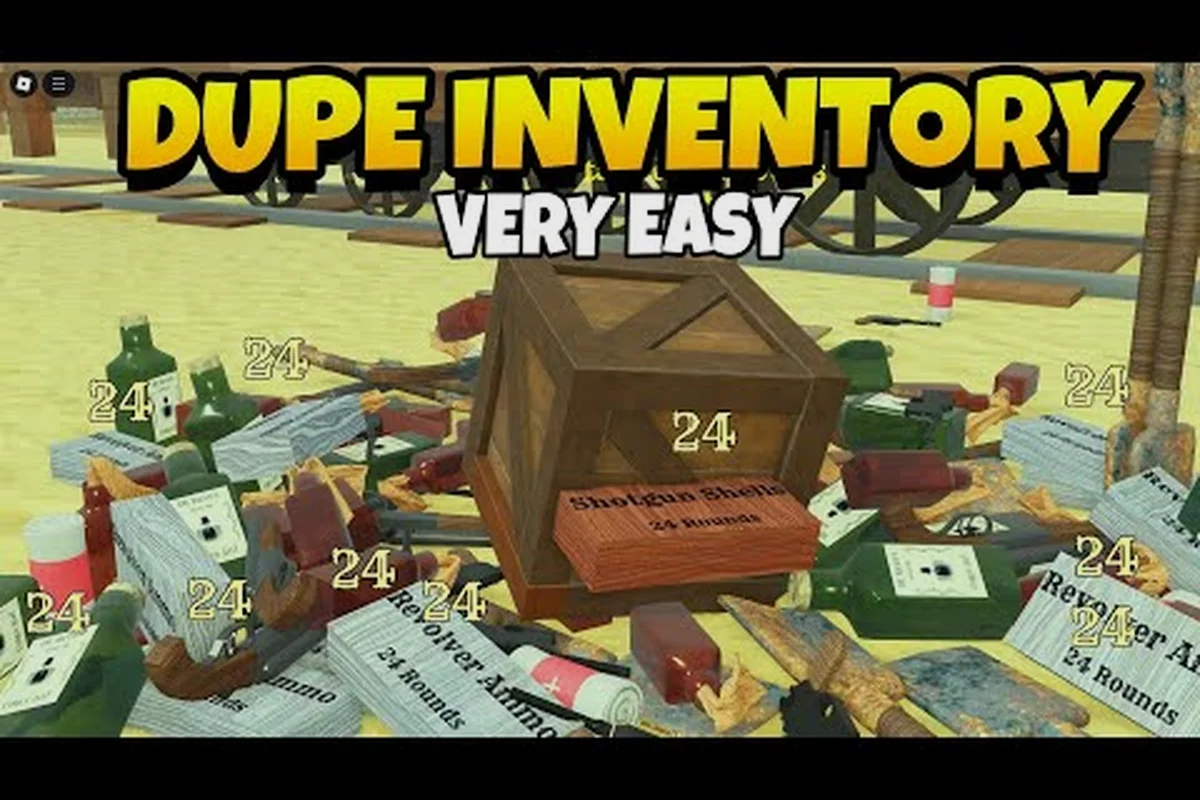
Dead Rails Inventory Space: Carry Limits and Loot Value
Master dead rails inventory space by comparing carry weight, spawn locations, and values for gold bars, statues, fuel, and essential armor.
Dead Rails Items: Prices, Values, and Best Loot
See the most valuable Dead Rails items, their prices and uses, plus practical ways to manage loot, fuel, healing, and building materials.
All Articles

Dead Rails Saddle: Value, Uses, and Item Trading Guide
Discover the Dead Rails saddle's value, uses, and trading options, plus how it compares with metal sheets, rope, Kinder Eggs, and bonds.
Dead Rails Shoulder Armor: Protection, Weight, and Value
Evaluate Dead Rails shoulder armor, including its damage protection, carry weight, price, and how it compares with helmets, chestplates, and other gear.

Dead Rails Silver Coins: Value, Sources, and Exchange Guide
Learn where to find Dead Rails silver coins, their practical value, and how they relate to artifacts, occult necklaces, Jade Tablets, and Tesla rewards.

Dead Rails Werewolf Torso: Value and Selling Guide
Find out the value of the Dead Rails Werewolf Torso, where it appears, and what to sell, keep, or exchange at Trading Posts during your run.